Elementor #29208
MURSHIDABAD CITY
Subtitle text example
Place Of Murshidabad.
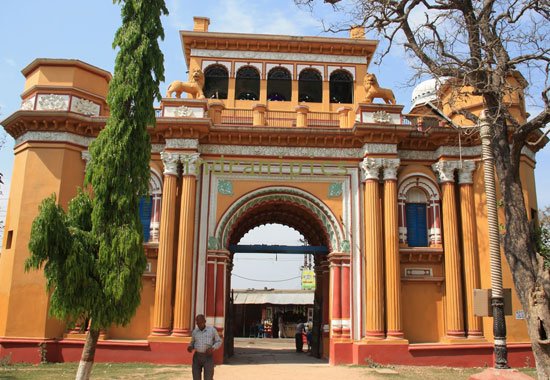
Murshidabad is a historic city and district in the Indian state of West Bengal, situated on the eastern bank of the Bhagirathi River. Named after its founder, Nawab Murshid Quli Khan, the city served as the capital of Bengal during the 18th century and was a prosperous cosmopolitan hub of trade, banking, and culture. Though its political importance waned after the British victory in the 1757 Battle of Plassey, its rich heritage of palaces, mosques, and gardens remains



History.
Capital of Bengal: Murshid Quli Khan shifted the capital of the Bengal Subah from Dhaka to the newly founded city of Murshidabad in 1704. The region, which included modern-day West Bengal, Bihar, and Odisha, was one of the wealthiest provinces in the Mughal Empire.
Economic powerhouse: As the capital, Murshidabad became a center for political, economic, and cultural life. It was a hub for international trade, particularly in silk and muslin, and was home to wealthy banking and merchant families, including the famous Jagat Seths.
Decline after Plassey: The city’s decline began after Nawab Siraj-ud-Daulah’s defeat at the Battle of Plassey in 1757. The British eventually shifted the treasury, courts, and revenue offices to Calcutta (now Kolkata), and Murshidabad’s economic importance diminished.
Partition and transfer: Following the 1947 partition of British India, the Muslim-majority Murshidabad was initially allocated to East Pakistan. However, the final boundary adjustment of the Radcliffe Commission transferred it to India two days later to ensure the Bhagirathi River remained entirely within India.


Major Attractions.
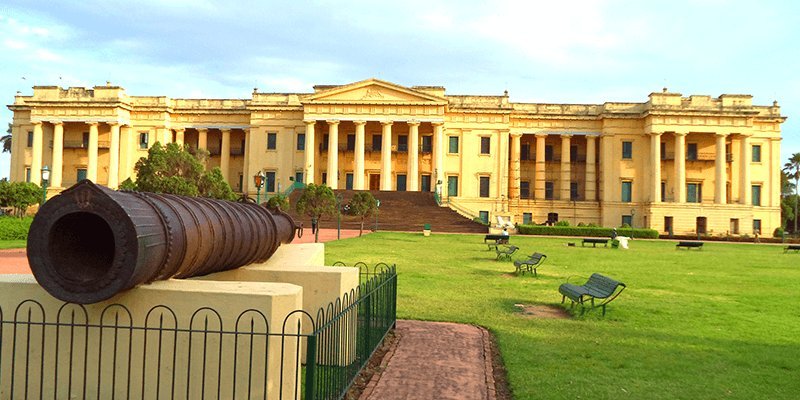
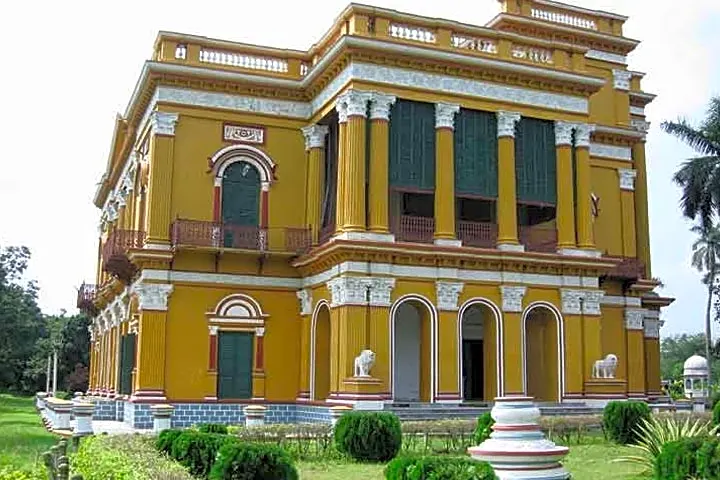
Hazarduari Palace: This grand, three-story palace was built in the Italianate style in 1837 for Nawab Nazim Humayun Jah. Its name means “palace with a thousand doors” (900 of which are real). Today, it houses the Archaeological Survey of India’s largest site museum, displaying an impressive collection of armory, paintings, and other artifacts.
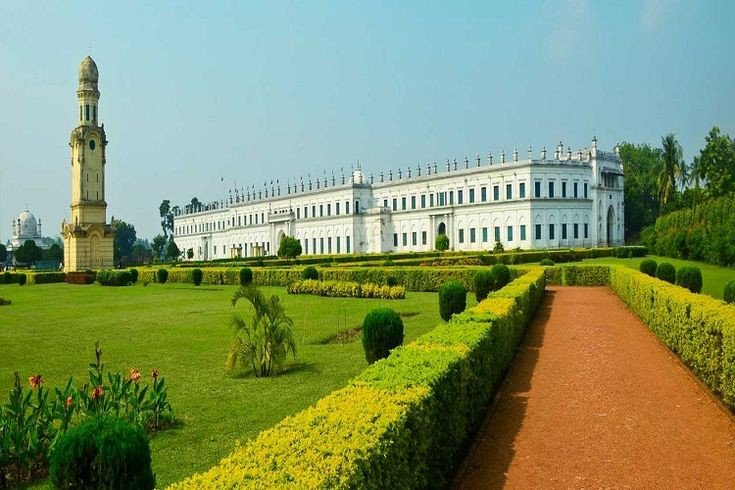
Nizamat Imambara: Located opposite Hazarduari Palace, this is one of the largest Shia mosques in India. It was rebuilt in 1847 by Nawab Mansoor Ali Khan after a fire destroyed the original wooden structure constructed by Siraj-ud-Daulah.
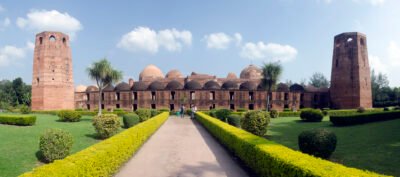
Katra Masjid: Built in 1723-24 by Nawab Murshid Quli Khan, this mosque also contains his tomb below the front staircase.
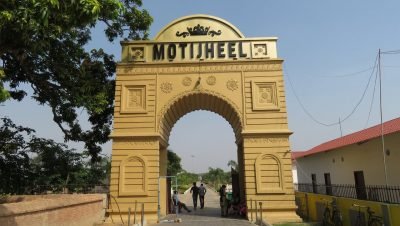
Motijhil (Pearl Lake): This beautiful horseshoe-shaped lake was excavated by Nawazesh Mohammad. The ruins of a palace where Lord Clive celebrated the acquisition of the Diwani of Bengal in 1765 can be found here. The area now features a park with boating facilities.
Jahan Kosha Cannon: A huge, historic cannon from the 17th century, known as the “Destroyer of the World,” is displayed in a cannon park near the Katra Masjid.
Khushbagh: Located on the opposite bank of the Bhagirathi River, this is the serene burial ground of Nawab Alivardi Khan and his grandson, Siraj-ud-Daulah.
Kathgola Palace: Built by a wealthy merchant family, this palace complex includes beautiful gardens and a Jain temple.


Economy and Handicrafts.
Sericulture: Murshidabad is famous for its silk production, including the Murshidabad silk used for saris and scarves. The Baluchari saree, known for its figured silk with intricate brocaded designs, also has its origins here.
Handicrafts: The region is renowned for its traditional handicrafts, including ivory and wood carving, gold and silver embroidery, and sholapith work. Sholapith is a delicate art made from a milky-white, spongy pith of the shola plant.
Agriculture: The district is a significant producer of agricultural products like rice, jute, wheat, and fruits such as mangoes and litchis.
Sweet delicacy: Murshidabad is known for its unique sweet called chhanabora, which is a deep-fried cottage cheese ball soaked in sugar syrup.
Travel and Logistics.
By Air: The nearest major airport is Netaji Subhas Chandra Bose International Airport (CCU) in Kolkata, about 200 kilometers away. From there, you can hire a cab or take a bus.
By Rail: Murshidabad is well-connected by rail, with its own station on the Sealdah-Lalgola line. Several express and local trains from Kolkata are available.
By Road: A network of state-run and private buses connects Murshidabad and its headquarters, Baharampur, to Kolkata and other major cities. The road journey from Kolkata is approximately 4-5 hours.
Getting around: Intra-city travel is possible by hiring cabs, cars, or using local buses. For navigating the historic sites, many visitors prefer to walk or hire a local taxi or autorickshaw.